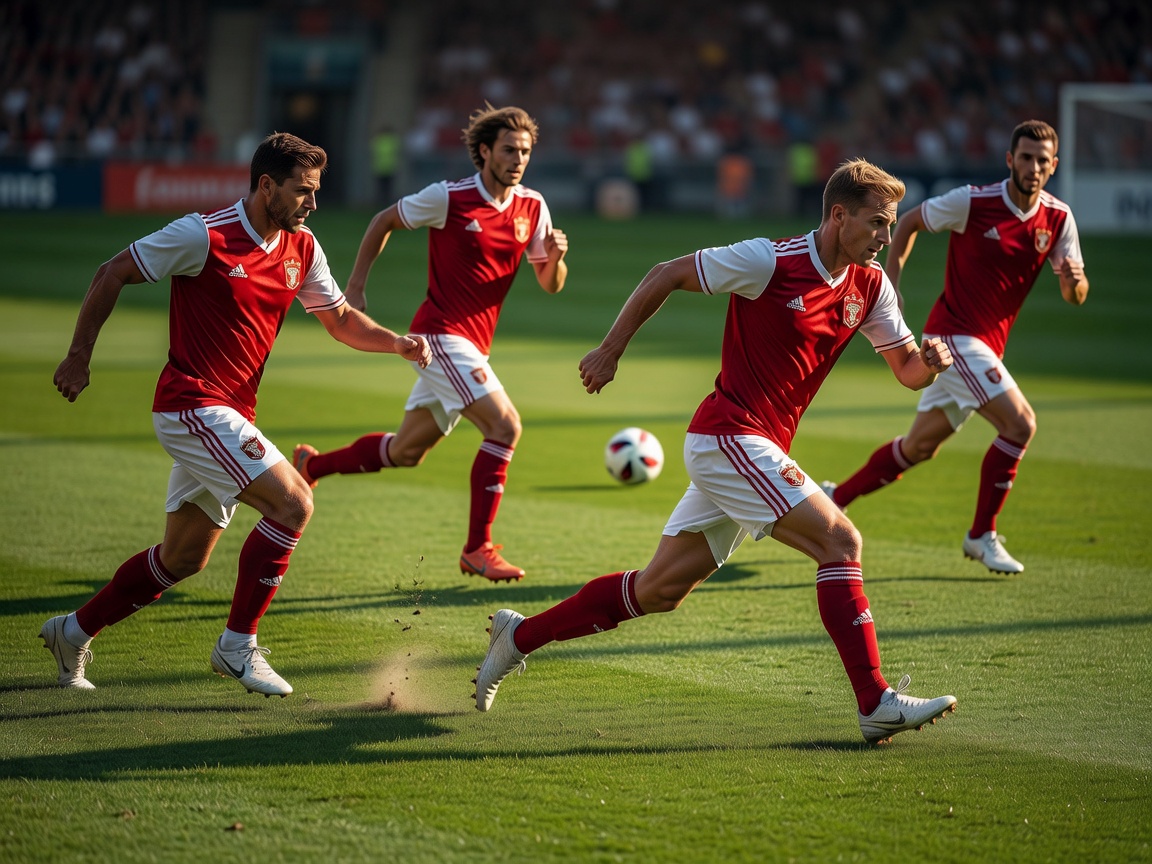
 01 / FIELD VISION
PLAYER ANALYSIS 01
AI Player Analysis
Explore movement analysis, tactical patterns, positional behaviour, video review, and the interpretation of player actions.
Read the player analysis guideAI SPORTS INTELLIGENCE LAB FIELD NOTES / 2026
Explore how AI transforms performance analysis, athlete development, scouting, match data, and sports broadcasting.
A practical, independent guide to the tools, questions and human decisions shaping sport.
 VISION / MOVEMENT / CONTEXT
FIG. 01
THE EDITORIAL MAP 01—05
Start with the question you have. Each guide explains the methods, practical uses and limits behind a different part of sports intelligence.
01 / FIELD VISION
PLAYER ANALYSIS 01
Explore movement analysis, tactical patterns, positional behaviour, video review, and the interpretation of player actions.
Read the player analysis guide 02 / ATHLETE SIGNALS
PERFORMANCE TRACKING 02
Understand wearables, motion tracking, workload, recovery indicators, and responsible interpretation of athlete data.
Explore performance tracking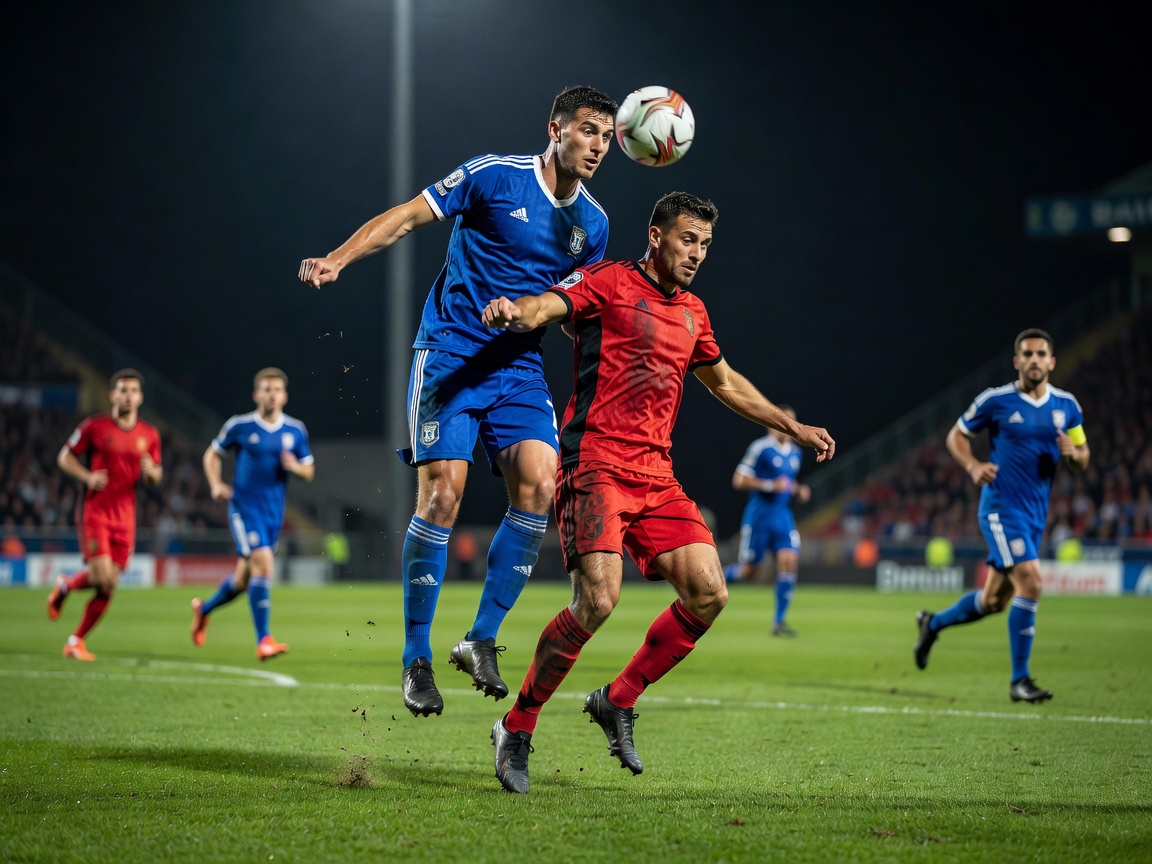 03 / TALENT SEARCH
SCOUTING & RECRUITMENT 03
See how video search, player comparisons and context-aware indicators can inform—not dictate—recruitment.
Read the scouting guide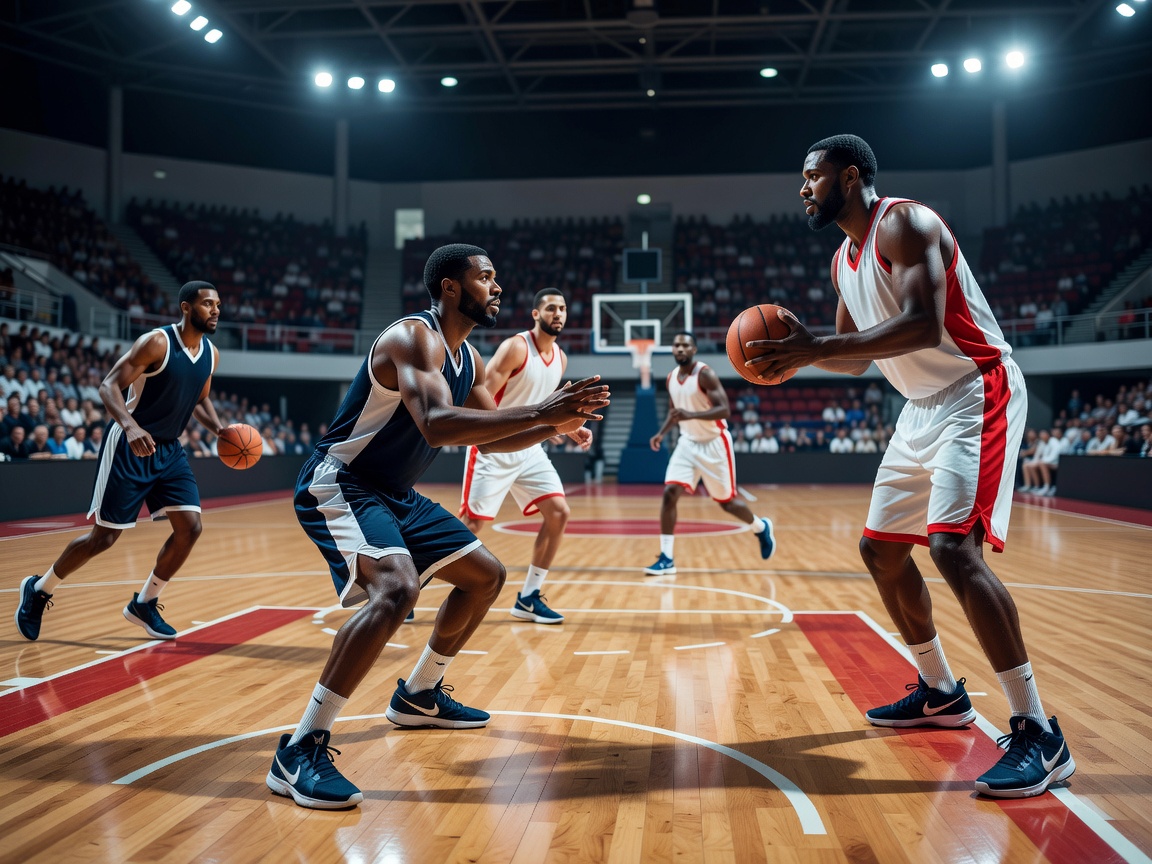 04 / MATCH EVIDENCE
DATA & STATISTICS 04
Explore event data, tactical metrics, predictive models, match analysis, and the difference between correlation and cause.
Explore match statistics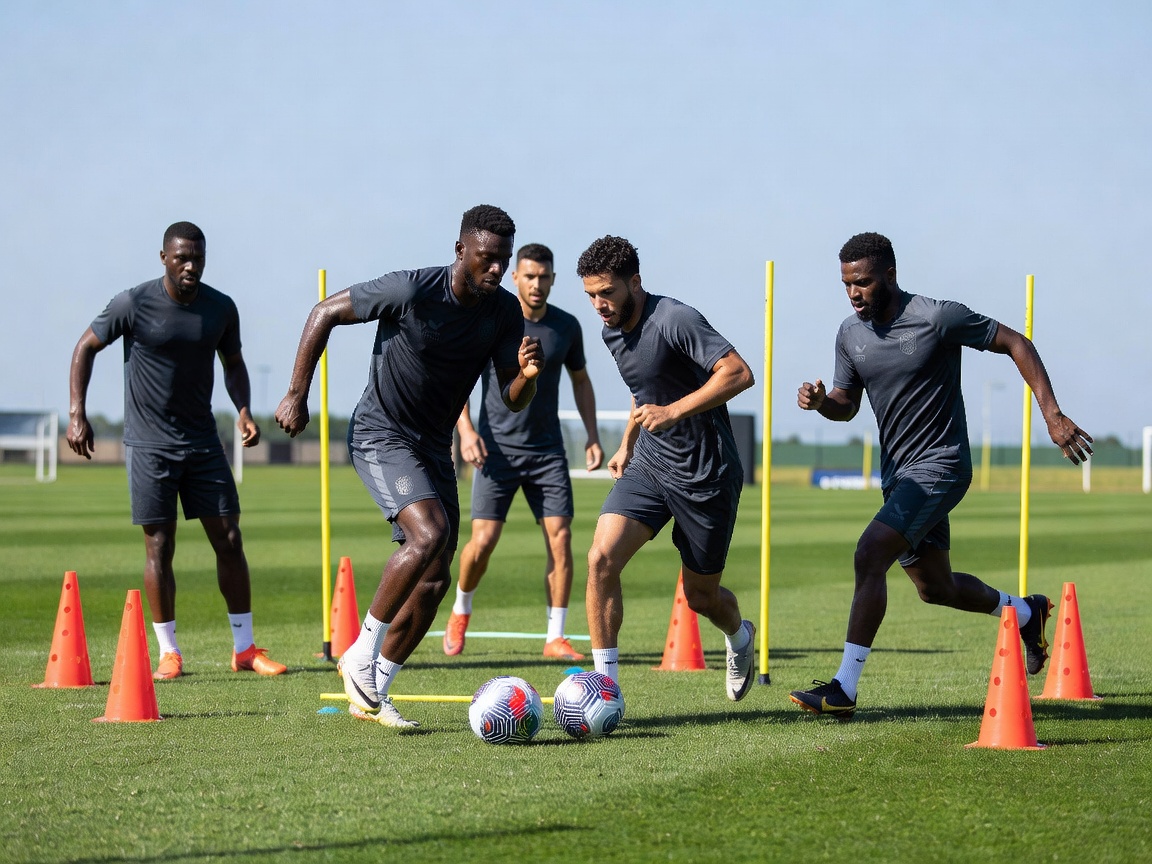 05 / PRACTICE & STORY
TRAINING & BROADCASTING 05
Learn how adaptive tools, video feedback, automated highlights and broadcast graphics fit into human-led work.
Read training and broadcast guideA PRACTICAL WORKFLOW 02
AI is most useful when information moves through a considered process. A model can organise evidence; people still need to test what it means in the real sporting situation.
Explore how match data is interpretedGather relevant video, tracking signals, match events or training records with clear permissions.
Use software to detect patterns, organise clips, measure movement or summarise events.
Check data quality and bring tactical, physical and situational knowledge to the findings.
Coaches, analysts, athletes, scouts and production teams decide whether an insight is useful.
Look back at the result, the assumptions and any unintended effects before repeating the process.
RESPONSIBLE BY DESIGN 03
Data quality, privacy, consent and human oversight are not afterthoughts. They shape whether an analysis is fair, interpretable and relevant. A precise-looking chart cannot repair missing measurements or an unsuitable comparison.
AI should support informed decisions—not be treated as an automatic authority, a medical assessment, or a substitute for lived expertise.
Our approach to information FIELD NOTE / 03
YOUR SETTINGS
Essential storage is used to remember your choice. Optional analytics are not currently implemented.