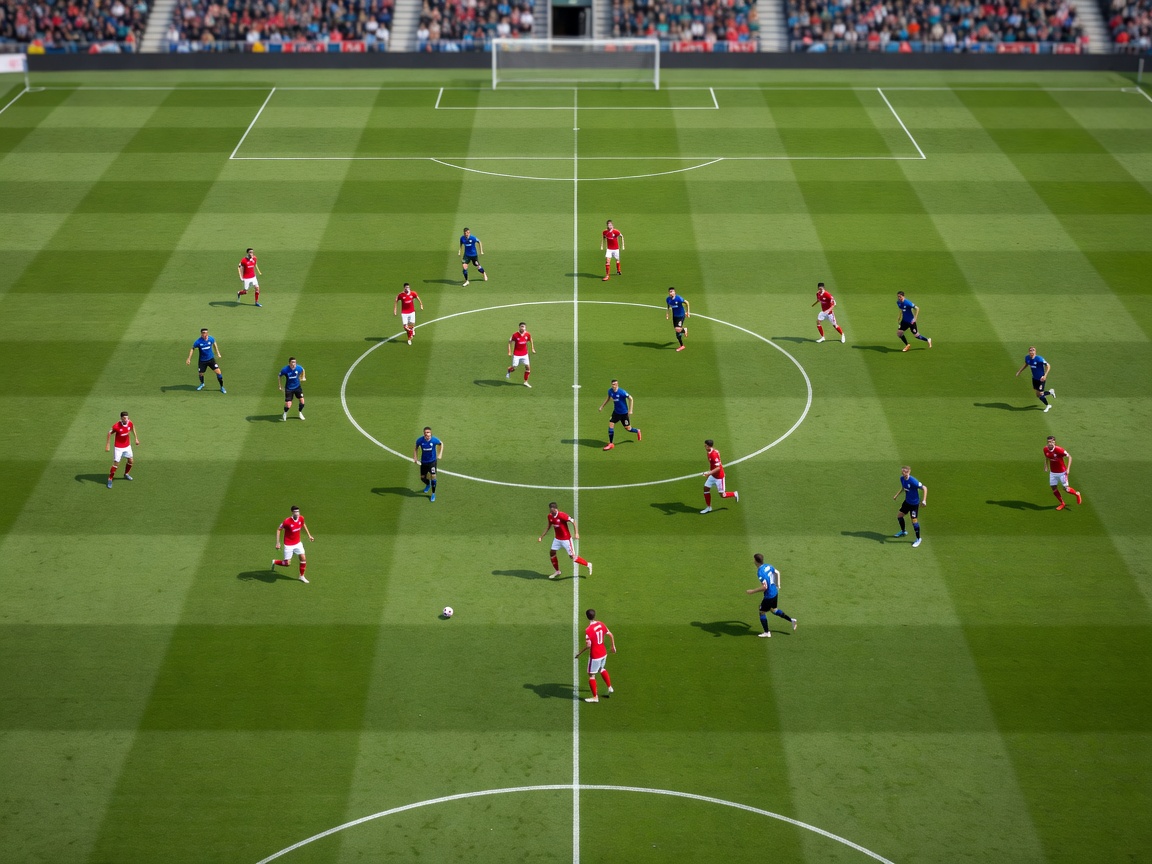
Player analysis brings video, event records and sometimes tracking data together to describe how an athlete behaves during competition. AI can accelerate parts of that work: locating moments, following movement, measuring spacing and making selected footage easier to revisit. It does not automatically explain why a player made a decision.
From video to a usable record
A video-based workflow may begin by identifying the playing surface and the people within the frame. Computer vision—the field of teaching software to interpret images—can detect players, officials and the ball, then associate detections across consecutive frames. This association is called tracking. When camera calibration and footage quality permit, a system can estimate positions on the field rather than only positions in the picture.
Analysts can use those records to search for events, such as a press, a run behind a defensive line or a transition after possession changes. Some event detection is built from explicit rules; other methods learn patterns from labelled examples. In either case, clips are candidates for review, not unquestionable facts. A human may need to correct the event label, select a useful time window or note that the footage does not show the full play.
Movement, shape and role
Positioning data can help describe team shape: how far units are separated, whether a side shifts together, or where space opens during a possession. A player’s movement can be considered alongside teammates, opponents, ball location and the phase of play. These relationships are often more informative than a single distance covered or count of actions.
Role analysis asks how an athlete’s actions relate to a tactical assignment. Two players listed in the same position may have different responsibilities: one may hold width while another moves inside; one may protect a transition while a teammate presses. AI may identify recurring locations or movement sequences that help an analyst compare performances. It cannot infer a coach’s intention reliably from coordinates alone.
A tracking system may identify that a player repeatedly moves toward a particular zone. It may not know whether that is a planned rotation, a response to an opponent, a teammate’s instruction or simply the consequence of a specific game state. Tactical shape is a relationship among people, opponents, space and time—not a static diagram.
Comparing performances without flattening them
Video tagging and annotation make comparison practical. An analyst can mark examples, add a short note and review similar sequences from several matches. AI-assisted retrieval can reduce the time spent scrubbing through full recordings. Consistent camera views, definitions and review practices matter: if one match is labelled differently from another, the apparent comparison may be misleading.
Comparisons should account for opponent strength, score state, minutes played, role, competition level and the team’s tactical approach. A metric is a description of a chosen slice of activity, not a complete account of contribution. Analysts should ask what the denominator is, which possessions or phases are included, and whether a result is based on enough comparable observations.
Limits and implementation choices
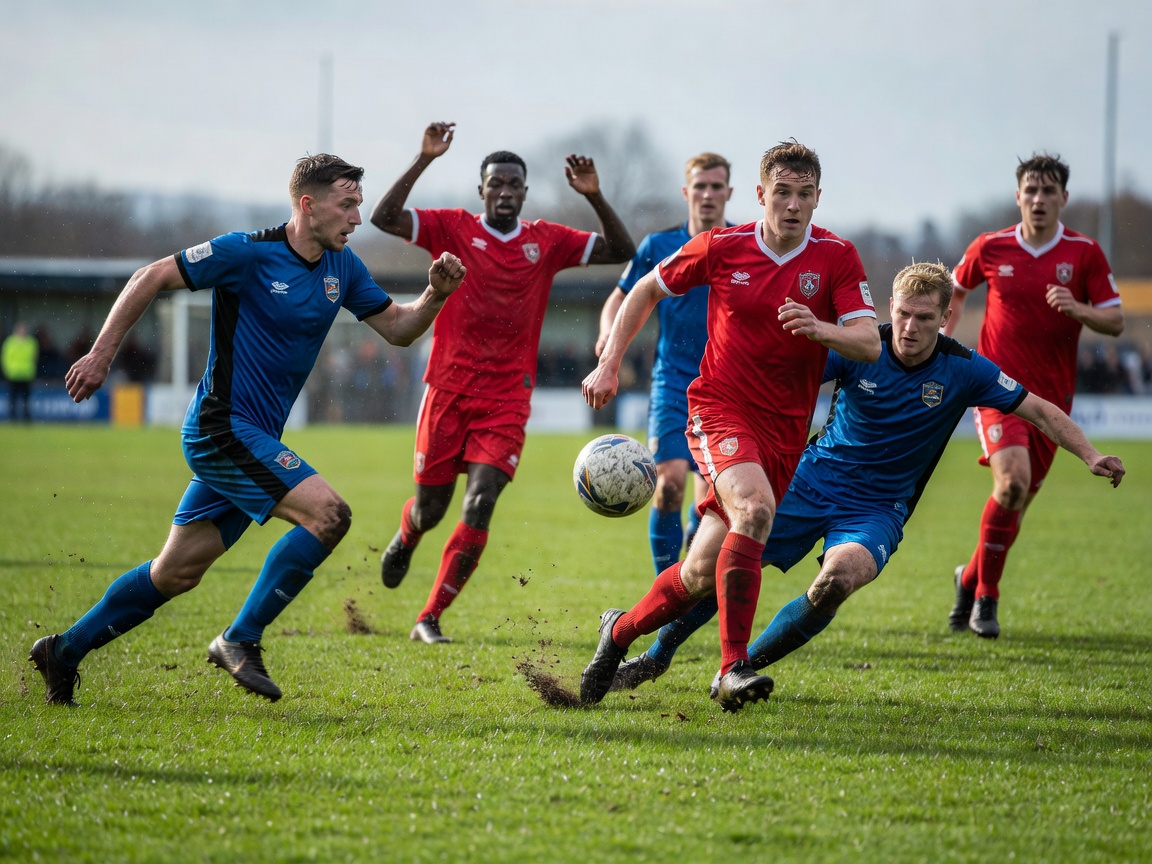
Camera angles can hide players, particularly when bodies overlap. This is called occlusion. Broadcast cuts, zooms, shadows, weather, frame rate and low-resolution footage can interrupt tracking. A system may lose an identity during an overlap or misread a movement when the camera pans. Partial coverage also matters: a single view may not capture a player away from the ball.
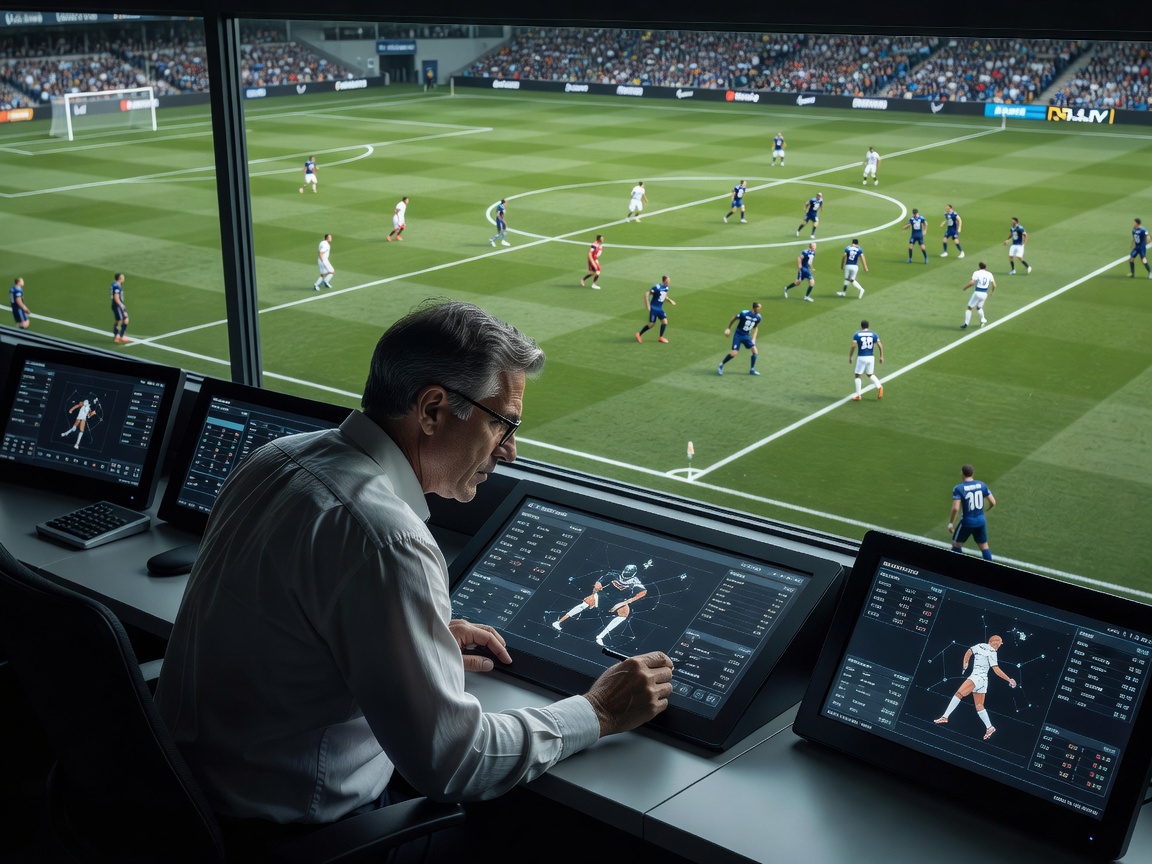
Before adopting a tool, ask which sports and camera setups it supports, how it communicates uncertainty, how corrections are recorded and whether video and derived data can be exported. Agree on event definitions with staff who will use the output. Test with varied footage, not only clean examples, and budget time for quality checks. Determine who may view recordings and how long they are retained.
Responsible use: people before labels
Video and tracking data can be sensitive. Use a clear purpose, appropriate permission and limited access, especially when footage includes young athletes. Avoid using a model-generated score as a standalone judgment of effort, attitude or potential. If analysis informs selection, ensure reviewers can inspect the underlying evidence, challenge an output and explain how context was considered.
AI can surface patterns that deserve attention. Coaches, players and analysts bring knowledge of instruction, role, fatigue, opposition and events outside the camera frame. A good process makes those perspectives visible rather than treating them as noise.
WHAT TO KNOW
Automated tracking describes visible patterns; it does not establish tactical intent. Camera coverage, definitions and contextual review determine how much confidence a comparison deserves.
Good for
- Finding and organising repeated moments in large video libraries.
- Reviewing team shape, movement and positional behaviour over time.
- Giving analysts a consistent starting point for annotated discussion.
- Comparing defined actions when context and data quality are documented.
A practical review checklist
| Ask | Why it matters |
|---|---|
| What does the camera actually show? | Coverage and occlusion set the limits of a tracking claim. |
| How is the event defined? | Shared definitions make comparisons more consistent. |
| What tactical context is missing? | Role, opponent and game state can change interpretation. |
| Who can challenge the output? | Human review provides accountability and correction. |
Player analysis is most valuable as a conversation aid: the system helps people find evidence, then informed reviewers test the interpretation. For related perspectives, see our guides to performance tracking, AI scouting and match statistics. Questions or editorial feedback? Contact the publication.